"Create Memories, One Joint @ a Time” “Unleash the Soundtrack to Your Life” “Where Music Meets Magic” “Elevating Vibes, Amplifying Experience with almost every gerne of music. Lets get it.
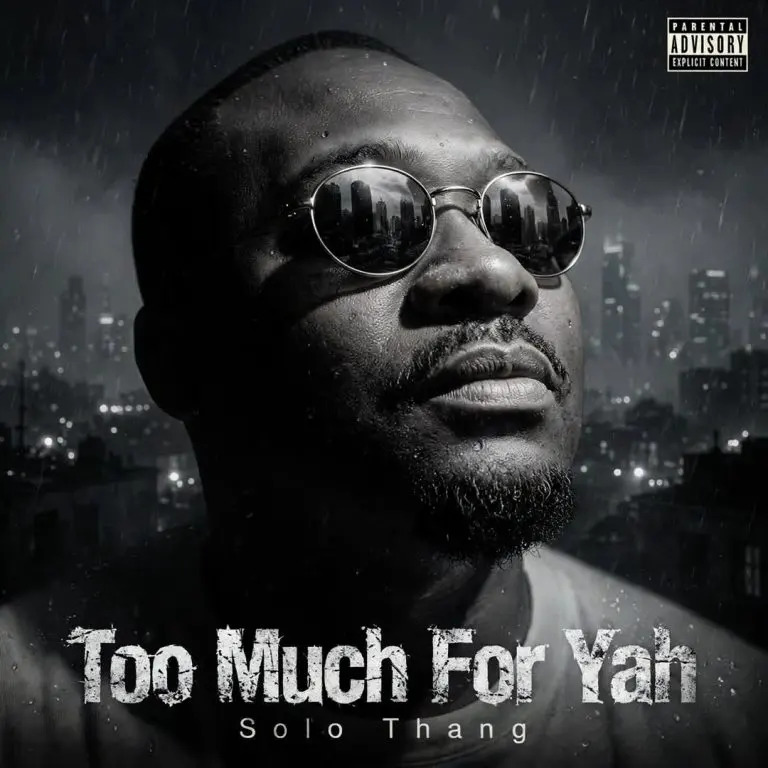
Legendary Tanzanian hip hop artist Solo Thang, born Msafiri Kondo, returns with “Too Much for Yah,” a track that highlights his confidence, lyrical talent, and extensive experience in the rap scene. In the lyrics, “Mi kinyonga sio kamili niulize basi kwa nini, nitabadilisha nguo na rangi ila sitachezea dili,” he makes bold statements about his identity, determination, and commitment to his principles.
Officially released on November 18, 2026, “Too Much for Yah” places Solo Thang among the few veteran rappers continuing to release new music. A few days earlier, he worked with Tukusa Clan. He has also released tracks titled “Saida Baba” and “Tumezika Picha.”
In “Too Much for Yah,” Solo delivers another forceful lyric: “Nishachoka kujibu swali Bongo ina fleva ya nini, hakuna mkali zaidi ya mimi kwa vina siwadanganyi.” Through wordplay and self-assured delivery, he asserts his place in Tanzanian hip hop, reminding listeners of his lyrical ability and veteran status.
Tanzanian rap artist Solo Thang, also known as “Chatu Mwenye Unenge,” presents a heartfelt musical offering titled “Saidia Baba.” The song conveys a powerful message of faith, hope, and reliance on God. Its title, meaning “Help Me, Father,” expresses a sincere plea for divine intervention, guidance, and strength in life’s difficult moments.
Through its emotional message, the song reflects the challenges people encounter as they face uncertainty, hardship, and personal struggles. It highlights the importance of turning to God for comfort, wisdom, and encouragement when personal strength is no longer enough. The message urges listeners to remain prayerful, trust God’s timing, and seek His presence throughout every season of life.
Solo Thang’s expressive delivery brings the song’s spiritual message to life, offering a meaningful listening experience for audiences who value music with deeper purpose. “Saidia Baba” resonates with anyone who has needed God’s help, reminding listeners that prayer and faith can offer hope in even the most challenging circumstances.
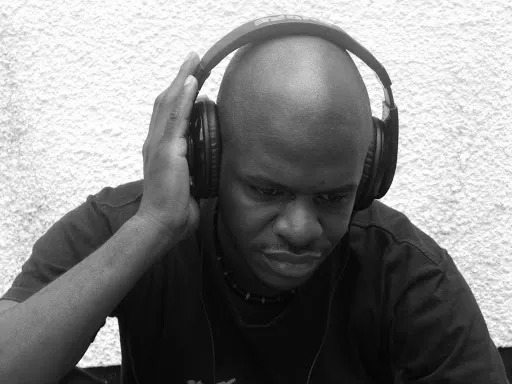
It is another Thursday, and as you are aware, it is time for this week’s throwback feature. Today, we direct our attention to the distinguished Msafiri Kondo, professionally known as Solo Thang, and his inaugural official single entitled “Hili Balaa.”
Solo Thang, also recognized by the appellations “A Hungry Python” (which translates from Swahili as “Chatu Mwenye Unenge“) and “Ulamaa aka Mwanazuoni Aliyekomaa,” is an influential Tanzanian hip-hop artist and lyricist renowned for his sophisticated narrative techniques, metaphorical language, and significant contributions to the early Bongo Flava movement.
“Hili Balaa” stands as one of the most significant and definitive Bongo Flava compositions by the legendary Tanzanian hip-hop artist Solo Thang. Originally released in February 2000 as part of his breakthrough album Homa Ya Dunia, the track was produced by the esteemed Bongo Records producer P-Funk Majani, alongside Ambrose Akula Akwabi also known as Dunga.
P Funk Majani
Ambrose Dunga aka Mandugu Digital
“Hili Balaa” occupies a prominent position in Bongo Flava history due to its association with one of Tanzania’s earliest hip-hop rivalries. Following a freestyle competition in Kinondoni where Solo Thang prevailed against Hashim Dogo (Mwendawazimu) (a member of the hardcore hip-hop collective Kikosi Mizinga), Solo Thang released “Hili Balaa.” The lyrical content was interpreted as a deliberate challenge by Kikosi Mizinga’s frontman, Kala Pina, whose eventually came to realize that him and Solo were Cousins. The track generated considerable real-world conflict, including a notable incident wherein Solo Thang allegedly escaped an abduction attempt by exiting a moving vehicle through the window.
His essential body of work encompasses landmark projects such as Homa Ya Dunia (2000) and Kima Cha Chini (2003). His most acclaimed compositions include “Travellah,” “Mambo Ya Pwani,” “Usinichokoze,” “Simu Yangu,” “Tafadhali” featuring Nguza Viking (Babu Seya), and “Mpenzi (Remix).” He was additionally featured by Afande Sele in “Mtazamo,” which also included Professor Jay. Solo’s contribution is particularly memorable for his distinctive vocal delivery: “Hakuna S bila O L bila O / Mwingine aitwe’ Thang bila Solo, Shupavu’ awajibike kama Apollo / Jay, Afande! Ni ukuta’ wapi uchochoro?”
Enjoy this rare gem below and don’t forget to follow all my social media via this link below:
Tanzanian Hip Hop artist Solo Thang, whose real name is Msafiri Kondo, has recently enhanced the East African music landscape with his new release, “Nambie.” Renowned for his unique fusion of Bongo Flava and Afrobeat, Solo Thang’s latest track exemplifies his talent for merging traditional rhythms with modern sounds. “Nambie” highlights his lyrical skill, exploring themes of love and yearning through expressive Swahili lyrics.
The song is carefully produced, featuring lush instrumental backgrounds that emphasize Solo Thang’s versatile vocal range and emotional delivery. His dedication to preserving cultural authenticity while embracing contemporary production methods demonstrates why he continues to attract an expanding audience both within Tanzania and beyond.
As digital platforms increasingly shape music distribution across Africa, “Nambie” serves as a testament to Solo Thang’s strategic artistry in navigating these channels, ensuring both local appeal and international impact.